Hey there, fellow movers, shakers, and plant-eaters! Penelope here, and if there’s one question I get asked constantly – especially after mentioning those thousands of miles – it’s “But where do you get your protein?!”
My answer is always the same: from plants, of course! And not just protein, but all the complex carbohydrates, healthy fats, vitamins, and minerals needed to not just survive an active lifestyle, but to truly thrive and even excel in sports and endurance activities. The idea that athletes need meat and dairy to perform is a myth that’s been thoroughly debunked by countless plant-powered athletes worldwide.
Let’s break down why focusing on whole, plant-based foods is a game-changer for athletic performance:
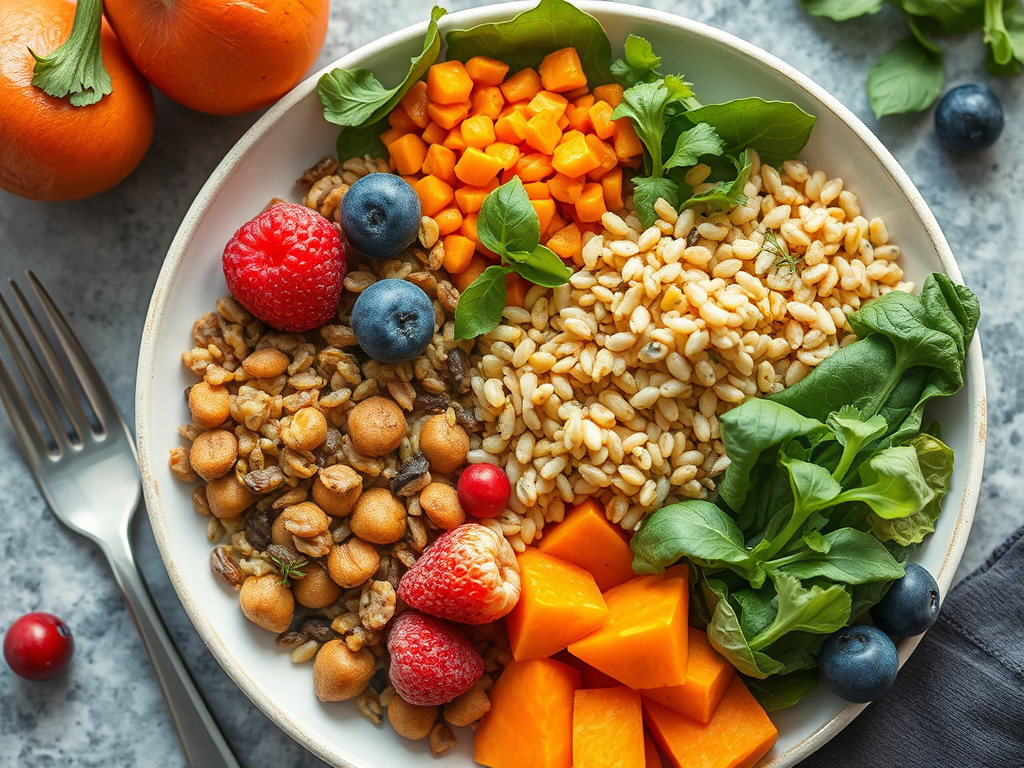
- Clean-Burning Fuel (Carbohydrates): Plants are packed with complex carbohydrates – the absolute best fuel source for endurance. Think oats, quinoa, brown rice, sweet potatoes, fruits, and veggies. These provide sustained energy without the digestive distress often associated with heavier, animal-based meals. They replenish glycogen stores efficiently, crucial for recovery.
- Protein Power (Yes, Really!): This is where the myths often get loud. Plants offer abundant, high-quality protein. Lentils, beans, chickpeas, tofu, tempeh, seitan, nuts, seeds, and even many vegetables are protein powerhouses. Combine different plant protein sources throughout your day, and you’ll easily hit your requirements for muscle repair and growth without the saturated fat and cholesterol found in animal products.
- Anti-Inflammatory Superpowers: Intense training creates inflammation. Plant-based foods are inherently anti-inflammatory, thanks to their rich antioxidant and phytonutrient content. Berries, dark leafy greens, and colorful vegetables help reduce recovery time and keep you feeling good, preventing overuse injuries.
- Gut Health = Peak Performance: A healthy gut is vital for nutrient absorption and overall well-being. Plant-based diets are high in fiber, which feeds beneficial gut bacteria. A happy gut means better digestion, improved immunity, and ultimately, better performance.
- Efficient Recovery: Less inflammation and better gut health often lead to faster recovery times. This means you can train harder, more consistently, and get back to crushing your goals sooner.
The evidence speaks for itself (or, in my case, the thousands of miles hiked). My experience, and the growing number of elite plant-based athletes out there, clearly shows that a thoughtful, plant-based diet isn’t just sufficient for sports and endurance – it can be a significant advantage.
**Just a friendly heads-up: I’m a plant-powered thru-hiker sharing my personal experiences, not a registered dietitian, nutritionist, or doctor.
 Dash & Dirt